
Children’s Dental Crowns – Duncanville, TX
Restoring & Renewing Young Smiles
Our team does everything we can to protect our patients’ smiles from harm. However, various circumstances can arise that lead to the need for us to place children’s dental crowns. This treatment has the potential to restore and renew young smiles, preventing oral pain and helping to establish the foundation for many years of sound oral health. Would you like to learn more about this restorative service? Continue reading this page, or call our Duncanville office to request a consultation for your child.

Why Choose Barefield Pediatric Dentistry for Dental Crowns?
- Strong & Sturdy Crown Materials
- Compassionate & Skilled Dental Team
- Sedation Available for Nervous Patients
What Is a Dental Crown?
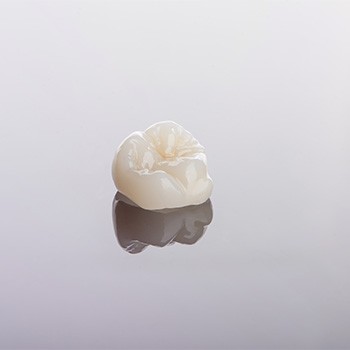
A dental crown is a tooth-shaped cap that we place over the entire visible portion of a tooth (everything that protrudes beyond the gumline). A crown can accomplish several purposes:
- Repair a tooth that has been badly damaged by decay.
- Protect a cracked, broken, or worn-down tooth from further damage.
- Restore the shape of a damaged tooth.
- Protect a tooth that has undergone pulp therapy or root canal therapy.
- Allow a damaged baby tooth to remain in the mouth until it is ready to fall out naturally.
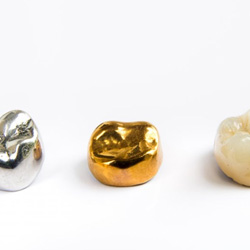
At Barefield Pediatric Dentistry, we offer crowns made of various materials, including sturdy stainless steel, tooth-colored composite resin, and hybrid materials (NuSmile crowns).
The Process of Getting a Dental Crown

The traditional process of placing a dental crown requires two appointments. First, we prepare the tooth by removing a bit of its enamel. Then, we take impressions and coordinate with the dental lab that will create the permanent restoration. In the meantime, the patient wears a temporary crown. This is often the process we follow if we are placing a crown on a permanent tooth.
If we are placing a crown on a baby tooth, we may select a pre-made crown and attach it to your child’s smile. Pre-made crowns are often strong enough and sturdy enough to last until a baby tooth falls out on its own.
The Benefits of Getting a Dental Crown

Crowns can provide multiple benefits for children:
- A crown may prevent the need for an extraction. In the case of baby teeth, this can preserve space in the dental arch and possibly reduce or prevent the need for future orthodontic care.
- Crowns can reduce dental sensitivity and pain, allowing your child to enjoy their favorite foods without discomfort.
- Tooth-colored crowns feature a subtle appearance, making them ideal for children who may feel self-conscious about their smile.
- Crowns are a versatile treatment that can be used to address a range of dental health issues.
- Crowns are quite durable; depending on the materials used, they can last for many years.
Understanding the Cost of Dental Crowns

When your child needs dental work, the last thing you want to worry about is treatment expenses. Never fear – our team is here to help you understand the cost of dental crowns and can thoroughly explain your payment options. Even if you don’t have dental insurance, flexible financing through CareCredit can make your child’s treatment more affordable. At Barefield Pediatric Dentistry, you don’t have to break the bank in exchange for quality dental care!
Factors that Affect the Cost of Dental Crowns
It’s difficult to pin down a set price for dental crowns because the costs can vary depending on certain factors. Rest assured, before proceeding with treatment, we’ll go over how your overall expenses could be impacted. Here’s a brief overview of what can affect the price of a dental crown:
- Whether your child needs a long-term, customized crown or a pre-made one.
- If necessary, preliminary treatments such as a root canal or extraction.
- The type of material used to craft your child’s crown (generally speaking, all-metal crowns are studier but more costly than tooth-colored crowns).
Does Dental Insurance Cover Dental Crowns?

Dental insurance does often provide coverage for dental crown treatment after you’ve met your deductible for the year. Depending on whether your policy classifies crowns as a major or minor restorative procedure, you can expect to receive somewhere between 50% to 80% coverage.
If you’re not sure what types of treatments your dental insurance covers (because, let’s face it, insurance benefits are confusing!), please don’t hesitate to ask our team for assistance. We accept most major PPO plans, HMO’s, and Medicaid, and would be happy to help you navigate the terms of your plan.
Other Options for Making Dental Crowns Affordable

We understand that not everyone has the same access to dental insurance, but don’t worry – there’s another way we can help you pay for your child’s dental crown treatment. CareCredit flexible financing plans enable you to break your overall costs down into smaller, more manageable bites. You’ll make payments in the form of monthly installments, and since many CareCredit plans have little-to-no-interest, your contributions will stay affordable. We find that most of our patients who apply for CareCredit get approved, so if your budget could use some relief, just let us know!
Dental Crown FAQs
Do Dental Crowns Get Cavities?
It is impossible for a dental crown itself to get a cavity. However, the tooth underneath it still can. In fact, a crowned tooth has about the same risk of decay as an uncrowned tooth. If your child isn’t keeping up an optimal oral hygiene routine, bacteria and plaque can form around the gumline where the crown meets the tooth. They can then travel underneath the crown and wreak havoc on the underlying tooth. Fortunately, this can be prevented with regular brushing, flossing, and dental checkups.
Does It Hurt to Get a Dental Crown?
Just like getting a dental filling, the area around your child’s tooth will be numbed before the procedure begins. They won’t be able to feel a thing. However, they might experience some soreness for a few days afterward, but this can be managed with over-the-counter pain relievers. If discomfort persists or worsens, give us a call. Remember that since dental crowns protect the vulnerable tooth from damage, they are likely to prevent further discomfort in the tooth later on.
What Can My Child Eat with a Temporary Crown?
Your child should be able to chew comfortably with a temporary crown, but there are still some foods that are best avoided. Since there might be a small gap between your child’s temporary crown and their gumline, it is a good idea to limit sugary foods and beverages. Very hot and cold foods can cause sensitivity. Your child should avoid hard or sticky foods that could cause sensitivity. Your child should avoid hard or sticky foods that could damage, loosen, or dislodge the crown. This includes hard breaks, popcorn, corn on the cob, chewing gum, caramel, and hard candy.
Are Dental Crowns Covered by Insurance?
Crowns are usually included in dental insurance plans. Since getting a crown is usually considered a major procedure, they are often eligible for coverage at 50% after the deductible is paid and before the annual maximum is exceeded. If you have any questions or concerns regarding your plan and what is covered, don’t hesitate to contact us.